
In the realm of dog daycare programs dog hotel, the role of routine cannot be overstated. Establishing a structured daily schedule not only benefits canine behavior but also enhances staff proficiency and fosters a sense of security for our furry companions.
This article delves into the pivotal significance of routine in dog daycare settings and explores its profound impact on the physical and mental well-being of our beloved four-legged friends.

Benefits of Establishing a Routine
Establishing a structured routine in dog daycare programs enhances the overall well-being and behavior of canine participants. By following a consistent schedule, dogs experience a sense of predictability and security, which is essential for their mental and emotional health. Routine activities such as feeding times, play sessions, and rest periods help in improving socialization among dogs Starlux Pet Universe. Regular interactions with other dogs in a controlled environment promote positive behavior and reduce anxiety or aggression.
Moreover, a structured routine in dog daycare programs plays a crucial role in enhancing obedience. Dogs thrive on consistency and repetition, making it easier for them to learn and follow commands. Through daily training sessions integrated into their routine, dogs develop discipline and responsiveness to instructions. This not only fosters better communication between dogs and their handlers but also instills a sense of accomplishment and confidence in the dogs themselves.
Impact on Dog Behavior
Consistently following a structured routine in dog daycare programs positively influences dog behavior by providing them with a sense of predictability and security. Dogs thrive in environments where they know what to expect, leading to reduced anxiety and stress levels. This predictability helps in improving socialization skills as dogs become more comfortable interacting with other dogs and humans in a consistent setting.
Additionally, a well-established routine in daycare programs ensures that dogs receive adequate mental stimulation throughout the day. Mental stimulation is crucial for preventing boredom and destructive behaviors in dogs. Activities such as interactive play sessions, puzzle toys, and training exercises incorporated into the daily routine can keep dogs engaged and mentally sharp.
Staff Efficiency and Productivity
How does adhering to a structured routine in dog daycare programs impact staff efficiency and productivity?
By following a consistent routine, staff members are better able to plan and organize their tasks, leading to increased efficiency in day-to-day operations. When staff know what to expect and when to expect it, they can allocate their time more effectively, reducing wasted efforts and maximizing productivity. Additionally, a structured routine can help streamline processes, such as feeding schedules, exercise routines, and playtimes, allowing staff to work more cohesively as a team.
Moreover, a predictable routine can boost staff morale by providing a sense of stability and control in their work environment. When employees feel confident in their daily tasks and responsibilities, they are more likely to be motivated and satisfied in their roles. This, in turn, can positively impact customer satisfaction, as happy and efficient staff members are better equipped to provide quality care and service to the dogs and their owners. Ultimately, a well-structured routine not only benefits staff efficiency and productivity but also contributes to overall staff morale and customer satisfaction.
Creating a Sense of Security
Why is fostering a sense of security crucial in dog daycare programs?
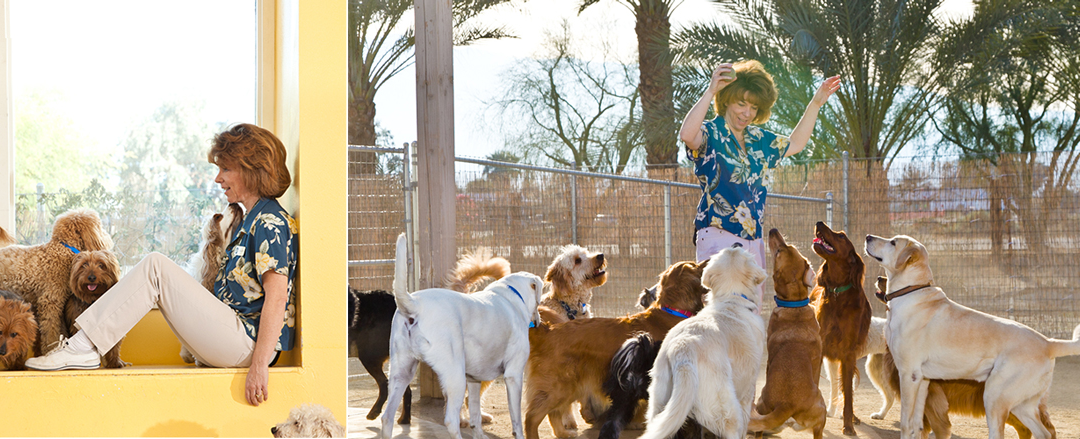
Creating a safe and secure environment for dogs is essential in promoting their emotional stability and overall well-being. Dogs, like humans, thrive when they feel a sense of belonging and security in their surroundings. By establishing a routine that includes familiar faces, consistent activities, and a structured environment, dogs can develop a sense of predictability and comfort.
In dog daycare programs, fostering a sense of security helps reduce anxiety and stress in dogs, leading to improved behavior and social interactions. When dogs feel safe and secure, they are more likely to engage in positive play, form bonds with other dogs, and build trust with staff members. This sense of security not only benefits the dogs but also enhances the overall daycare experience for both the animals and their owners.
Ultimately, creating a sense of security in dog daycare programs contributes to a positive and enriching environment where dogs can thrive emotionally and socially.
Promoting Physical and Mental Health
Fostering a sense of security in dog daycare programs is foundational for promoting the physical and mental health of the dogs under their care. Beyond providing a safe environment, these programs should prioritize activities that offer mental stimulation and socialization opportunities.
Mental stimulation is crucial for keeping dogs engaged and preventing boredom, which can lead to destructive behaviors. Incorporating activities like puzzle toys, interactive games, and training sessions can challenge their minds and improve cognitive function.
Additionally, socialization opportunities enable dogs to interact with other canines, fostering better social skills and reducing feelings of loneliness or anxiety. Group play sessions, supervised interactions, and structured group walks can all contribute to a dog’s overall well-being.
Conclusion
In conclusion, the establishment of a routine in dog daycare programs is crucial for providing stability, promoting positive behavior, increasing staff efficiency, and creating a sense of security for the dogs.
By adhering to a consistent schedule, dogs can thrive both physically and mentally in a structured environment. It is evident that routines play a significant role in the overall success and well-being of dogs in daycare programs.