
If you want to improve resolution in ion chromatography, you’ll need to focus on several key factors. Choosing the right column tailored to your target ions and fine-tuning the mobile phase composition can make a big difference. Adjusting flow rate and temperature also plays a crucial role cation and anion analysis, as does preparing your samples carefully to avoid interference. But understanding how these elements interact can be tricky, and it’s easy to overlook what might be limiting your separation quality.
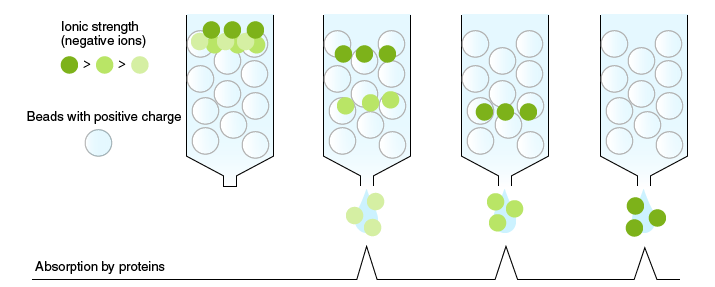
Pick the Right Column to Boost Ion Chromatography Resolution
Choosing the right column is key to boosting your ion chromatography resolution. You want a column that matches your sample’s complexity and target ions.
Look for columns with appropriate particle size—smaller particles increase surface area, improving separation but may raise backpressure. Consider the stationary phase material; strong or weak ion exchangers suit different analytes.
Don’t overlook column length—longer columns often provide better resolution but take more time. Also, think about pore size to ensure your ions interact effectively with the stationary phase.
Picking a column that aligns with your specific goals lets you gain sharper peaks and clearer separations. When you get this right https://laballiance.com.my/, you gain the freedom to analyze samples confidently and efficiently without unnecessary trial and error.
Adjust Mobile Phase Composition for Sharper Separation
Once you’ve selected the right column, fine-tuning the mobile phase composition can significantly sharpen your ion chromatography separation. You can adjust the concentration of eluent ions to control the interaction strength between analytes and the stationary phase. Lower concentrations often increase retention times and resolution, giving you clearer peaks.
Don’t hesitate to tweak the pH, either; it influences the ionization state of your analytes, which changes their retention behavior. Adding organic modifiers, like methanol or acetonitrile, can also enhance peak shape and reduce tailing. Keep in mind that small changes in mobile phase makeup can have a big impact, so experiment thoughtfully. By customizing your mobile phase, you gain the freedom to achieve sharper, more distinct separations tailored to your specific analysis needs.
Optimize Flow Rate and Temperature for Better Peak Clarity
Although adjusting the mobile phase composition is crucial, optimizing flow rate and temperature can further enhance peak clarity in ion chromatography.
You’ll find that slowing the flow rate often improves resolution by allowing ions more interaction time with the stationary phase, sharpening peaks. However, don’t go too slow—excessive time can broaden peaks and waste your time.
Likewise, temperature control plays a key role; increasing temperature generally lowers mobile phase viscosity, improving flow and peak shape. It also speeds up ion exchange kinetics, making your separation crisper. But be cautious—too much heat can degrade sensitive samples or columns.
Experiment within recommended ranges, monitor results carefully, and adjust these parameters to find the sweet spot that balances speed, clarity, and column longevity. This freedom to tailor conditions empowers you to achieve optimal resolution efficiently.
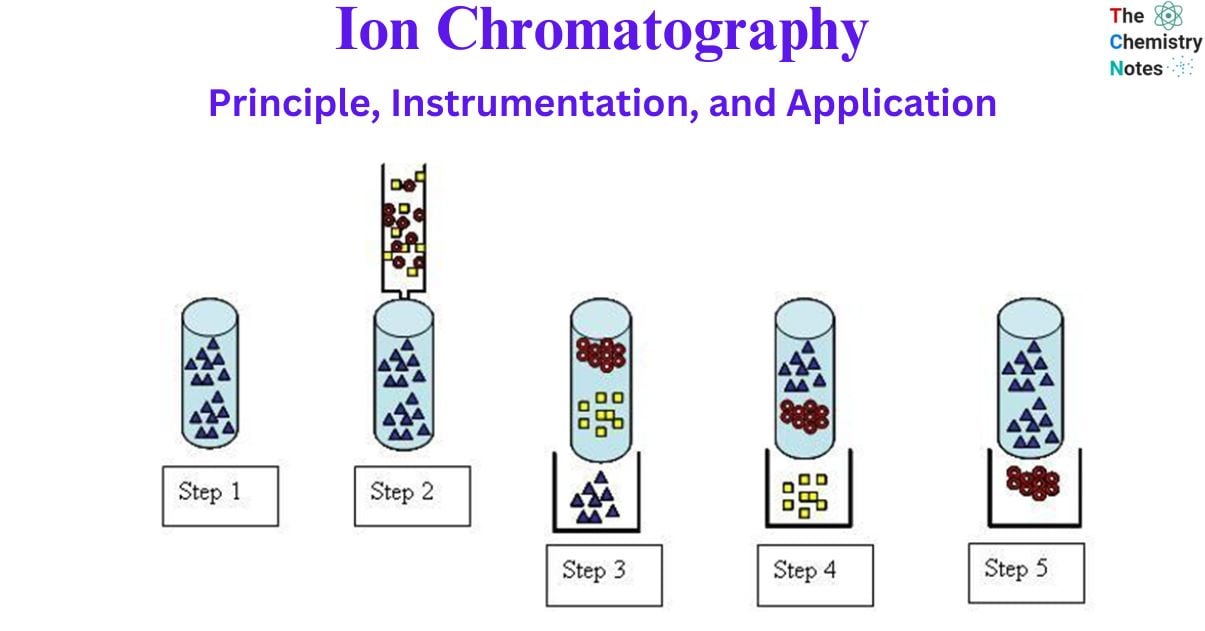
Use Sample Preparation Techniques to Reduce Interference
When dealing with complex samples, applying effective sample preparation techniques can significantly reduce interference and improve your ion chromatography results.
Start by filtering or centrifuging your samples to remove particulates that might clog the system or distort peaks. Consider using solid-phase extraction to isolate your target ions, cutting down on unwanted matrix components.
Diluting samples can also help minimize high-concentration interferences without sacrificing detection. Don’t overlook pH adjustment; it can change ionization states, enhancing separation.
Troubleshoot Common Issues That Lower Ion Chromatography Resolution
If your ion chromatography results show poor resolution, you’ll want to identify and fix common issues like column contamination, improper flow rates, or incorrect mobile phase composition.
Here’s where you can start:
- Check the column – Contaminants can clog the stationary phase, reducing separation efficiency. Clean or replace the column if needed.
- Optimize flow rate – Too fast or too slow flow can blur peaks. Adjust to the manufacturer’s recommended range for sharper resolution.
- Review mobile phase – Ensure the composition and pH are correct; deviations can alter ion interactions and peak shape.
Conclusion
To improve your ion chromatography resolution, start by selecting the right column tailored to your target ions. Adjust the mobile phase composition, including eluent concentration and pH, to sharpen separation. Fine-tune flow rate and temperature to enhance peak clarity without causing broadening. Don’t forget to prepare your samples properly to minimize interference. Regularly check your system for contamination and address any issues promptly. Following these steps will help you achieve consistent, high-quality results every time.