
Lizards keep returning because yards and buildings offer a compact mix of food, cover and warmth that minimizes risk and energy use. They follow insect concentrations around lights lizard repellent, shelter in rock crevices, mulch and wood piles, and sun on warm stones or walls for precise thermoregulation. Simple gaps, vents and clutter create access and nesting spots near resources. Immediate fixes are sealing, decluttering, trimming and reducing lights; humane exclusion and habitat change work best long-term, with more practical tactics ahead.

Why Lizards Come Back: What They’re Actually Seeking (Food, Shelter, Warmth)
When a yard or home repeatedly hosts the same lizard, it is usually because the site reliably provides the essentials they need: accessible prey, suitable hiding spots, and thermal opportunities for thermoregulation. The animal returns for concentrated insect prey where light igreenasia, moisture, and plant structure create foraging zones.
It exploits microhabitats — rock crevices, mulch, and dense shrubs — that offer cover from predators and routes for movement. Sun-exposed stones and sheltered wall bases function as thermal refuges, enabling precise temperature control without long-range travel.
Safe nesting sites near food and shelter reduce energy expenditure and risk during reproduction. Understanding these drivers gives occupants practical control: remove attractants, limit continuous cover, and break the simple resource web that keeps a lizard tied to a place.
How Your Home’s Design and Habits Attract Lizards
Design choices and everyday habits around a house create predictable microhabitats that lizards exploit for food, shelter, and warmth.
Exterior landscaping choices such as dense groundcover, stacked firewood, and cluttered mulch beds provide cover and insect prey; tall shrubs near walls offer direct pathways into living spaces.
Lighting placement that floods entryways or garden beds with night light attracts insects, which in turn concentrates lizard activity.
Building features—cracked foundations, open vents, and uneven door sweeps—produce easy access and thermal refuges.
Habitual practices like leaving doors propped, storing pet food outdoors, or allowing standing water compound the problem.
Understanding how design and routine generate repeating opportunities empowers homeowners to make intentional changes that reduce appeal and restore control over their property.
Quick Fixes You Can Do Today to Make Your Home Less Inviting to Lizards
Having identified the landscape features, building gaps, and habits that lure lizards, homeowners can take immediate, practical steps to reduce those attractants.
Inspect and seal gaps around doors, windows, pipes, and vents to deny entry points; use weatherstripping, caulk, or fine mesh where appropriate.
Remove clutter from garages, patios, and yards—stacked wood, dense mulch, and unused pots offer hiding spots and breeding ground for insects that feed lizards.
Reduce night lighting or switch to amber LEDs to limit insects.
Keep grass trimmed and shrubs pruned to eliminate cover.
Store pet food and compost in sealed containers.
Maintain regular cleaning routines to remove crumbs and insect prey.
These straightforward actions shrink habitat and restore control, empowering homeowners to reclaim their property.
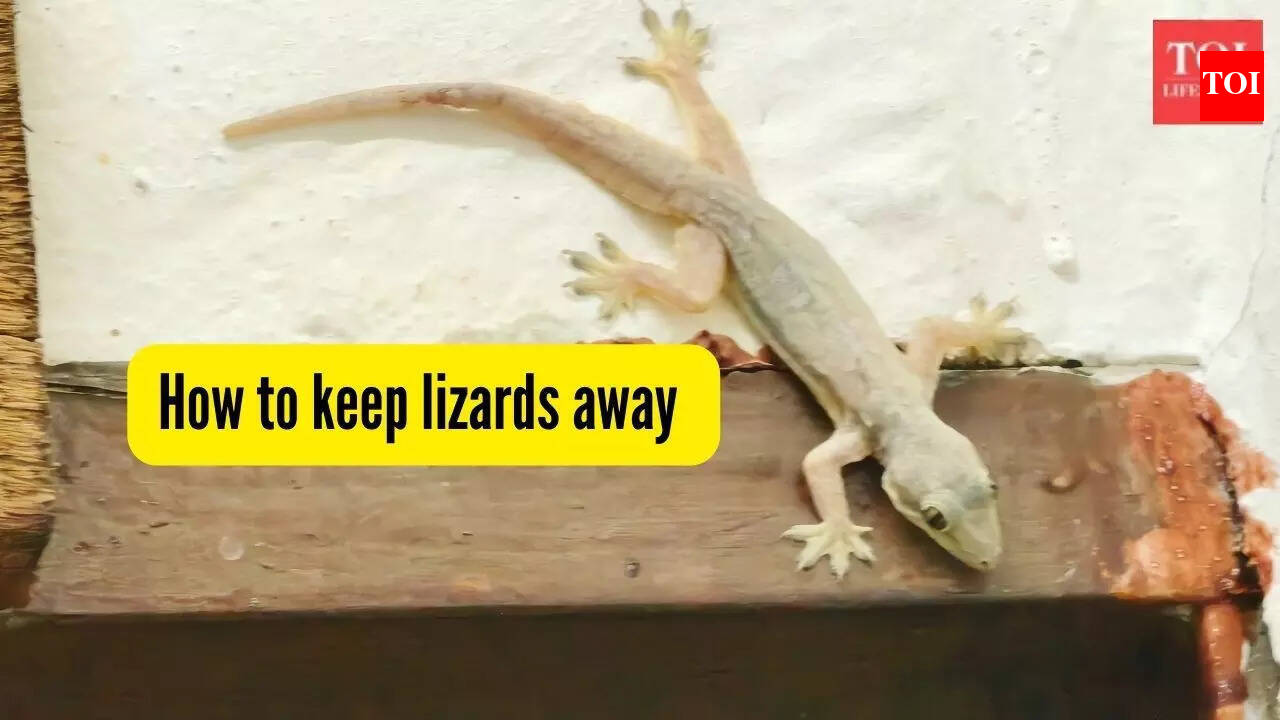
Humane Removal and Deterrent Methods That Work (And What to Avoid)
In evaluating humane removal and deterrent options, homeowners should prioritize methods that exclude and discourage lizards without causing harm, focusing first on nonlethal, reversible measures such as gentle live-capture and exclusion barriers.
The approach favors clear, practical steps: seal gaps, install door sweeps, and set up screens to deny access. Use live traps for relocation only where legal and safe; minimize handling and release nearby natural habitat.
Combine physical exclusion with targeted habitat modification—remove clutter, trim vegetation, and reduce insect attractants that feed lizard populations.
Apply proven natural repellents sparingly and rotate types to avoid habituation. Avoid toxic chemicals, glue traps, and lethal measures that create ethical issues and can destabilize local ecosystems.
Maintain simple, consistent practices to preserve freedom and control.
Seasonal and Long-Term Maintenance Plan to Keep Lizards Away for Good
Across seasons, a consistent maintenance plan combines exclusion, habitat management, and periodic inspection to keep lizards away permanently. It emphasizes predictable routines, clear responsibilities, and actions that protect personal space and autonomy. The plan centers on practical steps and measurable checks.
- Seal and exclude: Repair gaps, screen vents, and secure doors; inspect foundations quarterly and after storms to deny entry.
- Vegetation management: Trim shrubs, remove ground cover, and keep mulch minimal; maintain a 2–3 foot cleared perimeter to reduce shelter and prey.
- Scheduled inspections: Perform seasonal inspections, document findings, rotate deterrents, and adjust tactics based on evidence rather than guesswork.
This approach grants control, reduces surprise encounters, and sustains long-term freedom from lizards.
Conclusion
Lizards return because homes provide food, shelter and warmth; addressing those needs removes the incentive. Practical steps—seal entry points, reduce insects, eliminate clutter, manage moisture and trim vegetation—immediately make a dwelling less attractive. Use humane capture, repellents and exclusion rather than toxins. Seasonal checks and routine maintenance sustain results. Consistent application of these measures prevents reestablishment, ensuring a lizard-free environment while avoiding harm to people, pets and local wildlife.