
In today’s fast-paced business environment, the implementation of an ERP system has become increasingly crucial for organizations looking to streamline operations and enhance overall efficiency. The integration of various modules such as finance, inventory management, HR, CRM, and supply chain offers a holistic approach to managing resources and information erp malaysia. However, the process of selecting the right ERP system and successfully implementing it poses significant challenges that require careful consideration and strategic planning. Understanding the intricacies of ERP systems and the key factors that contribute to their successful adoption is essential for organizations aiming to stay competitive and agile in an ever-evolving market landscape.
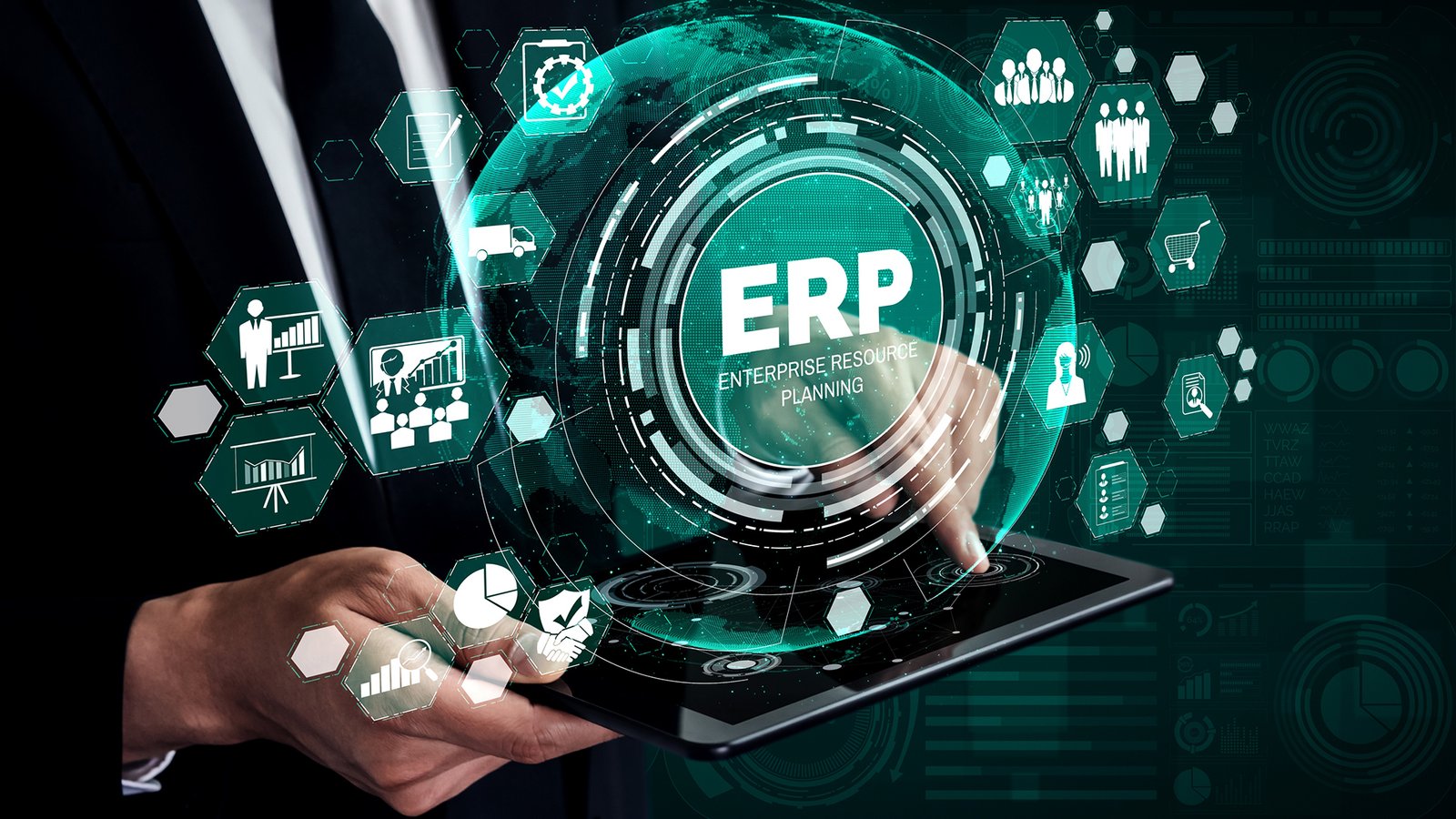
Importance of ERP Systems
The significance of ERP systems in modern business operations cannot be overstated, as they play a crucial role in streamlining processes, enhancing efficiency, and facilitating data-driven decision-making. ERP systems integrate various functions across an organization, such as finance, human resources, supply chain, and customer relationship management, into a centralized database. This integration eliminates data silos, improves communication between departments, and provides real-time insights into key performance indicators.
By automating repetitive tasks, standardizing processes, and reducing manual intervention, ERP systems help businesses operate more efficiently and effectively. This automation minimizes the risk of human error, increases productivity, and allows employees to focus on more strategic tasks that add value to the organization. Moreover, ERP systems provide a single source of truth for data, enabling stakeholders to make informed decisions based on accurate and up-to-date information.
In today’s competitive business landscape, where agility and adaptability are essential for success, implementing an ERP system is not just advantageous but necessary for organizations aiming to thrive and grow.
Key Features to Consider
Consideration of essential functionalities is paramount when evaluating an ERP system for implementation within an organization. Key features to consider include modules for finance, inventory management, human resources, customer relationship management, and supply chain management.
The finance module should support core accounting functions like general ledger, accounts payable, and accounts receivable. Inventory management features should enable real-time tracking of stock levels, reorder points, and procurement processes. Human resources capabilities should encompass payroll, employee data management, and performance evaluation tools.
A robust customer relationship management module is crucial for managing customer interactions, sales pipelines, and marketing campaigns effectively. Additionally, the supply chain management module should facilitate demand forecasting, procurement, and logistics coordination.
Integration capabilities, scalability, customization options, and user-friendly interfaces are also vital considerations when selecting an ERP system. By carefully assessing these key features, organizations can ensure that the chosen ERP system aligns with their operational requirements and strategic objectives.
Benefits of Implementation
To fully grasp the advantages of implementing an ERP system, it is imperative to recognize the transformative impact it can have on optimizing organizational processes and enhancing overall efficiency. One of the primary benefits lies in streamlining operations by integrating various functions such as finance, human resources, supply chain management, and customer relationship management into a unified system. This integration eliminates data silos, enhances data visibility, and improves communication across departments, leading to better decision-making processes.
Furthermore, an ERP system can significantly improve productivity by automating repetitive tasks, reducing manual data entry, and providing real-time insights through analytics and reporting tools. This not only saves time but also allows employees to focus on more strategic tasks that add value to the organization.
Moreover, the centralized nature of an ERP system fosters collaboration and standardization, ensuring consistency in processes and data management. This standardization minimizes errors, reduces operational costs, and enhances overall competitiveness in the market. In essence, the implementation of an ERP system can revolutionize how a company operates, leading to increased efficiency, profitability, and agility.
Challenges Faced
Navigating the implementation of an ERP system can present organizations with a myriad of intricate challenges that demand astute problem-solving and strategic foresight. One of the primary challenges faced is resistance from employees who may be apprehensive about the changes the ERP system will bring to their daily tasks. This resistance can hinder the adoption and successful integration of the system. Additionally, ensuring data accuracy and integrity during the migration process poses a significant challenge. The complexity of merging existing systems and data into the new ERP system without errors requires meticulous planning and execution.
Another common challenge is the cost associated with implementing an ERP system. From the initial investment in software and hardware to the training of employees, the financial burden can be substantial. Moreover, selecting the right ERP solution that aligns with the organization’s unique needs and processes can be a daunting task. Customization and configuration of the system to accommodate specific requirements without disrupting existing operations also present challenges. Overcoming these obstacles requires thorough planning, effective communication, and a dedicated team to drive the implementation process forward.
Successful Implementation Strategies
Implementing an ERP system successfully requires meticulous planning, clear communication, and a strategic approach tailored to the organization’s specific needs and objectives. One key strategy is to form a dedicated implementation team comprising individuals from different departments to ensure diverse perspectives are considered. This team should work closely with the ERP vendor to align the system with the organization’s requirements. Conducting a thorough analysis of existing processes and identifying areas for improvement is crucial before implementation begins.
Training is another vital aspect of successful ERP implementation. Providing comprehensive training sessions for employees at all levels ensures a smooth transition to the new system. Additionally, establishing key performance indicators (KPIs) to measure the system’s effectiveness post-implementation is essential. Regular monitoring and evaluation help identify any issues early on and allow for timely adjustments. Communication with stakeholders throughout the implementation process is paramount to manage expectations and address concerns promptly. By following these strategies, organizations can increase the likelihood of a successful ERP system implementation that aligns with their goals and objectives.

Customization Options Available
The customization options available in an ERP system offer tailored software solutions that cater to specific business needs. These options not only provide personalized user interfaces but also enhance user experience and efficiency.
Understanding these customization points is crucial for organizations looking to optimize their ERP system to align with their unique processes and requirements.
Tailored Software Solutions
Tailored software solutions offer businesses a unique opportunity to optimize their ERP system to match specific organizational needs and processes, enhancing efficiency and productivity. By customizing the software, companies can align their ERP system with their unique workflows, data requirements, and industry-specific regulations.
This level of customization allows for a more streamlined and effective operation, reducing the risk of errors and improving decision-making processes. Tailored solutions also enable businesses to scale their ERP system as they grow, ensuring that the software continues to meet their evolving needs.
With tailored software solutions, companies have the freedom to design an ERP system that truly fits their operations, leading to enhanced performance and competitiveness in the market.
Personalized User Interfaces
Optimizing user interfaces through personalized customization options is a strategic approach that enhances user engagement and system efficiency within ERP software. By providing users with the freedom to tailor their interfaces to suit their specific needs and preferences, ERP systems can significantly improve productivity and user satisfaction.
Customization options allow users to organize dashboards, choose relevant KPIs, and personalize layouts, ultimately leading to a more intuitive and user-friendly experience. Furthermore, personalized user interfaces empower users to access critical information quickly, make informed decisions, and navigate the system with ease.
This level of customization not only boosts user adoption but also contributes to the overall success of ERP implementations by aligning the system more closely with users’ unique requirements.
Training and User Adoption
To ensure successful implementation and utilization of an ERP system, comprehensive training programs must be developed to facilitate user adoption and proficiency. Training is a critical component in the ERP implementation process as it equips users with the necessary skills to navigate the system effectively.
User training should be tailored to different roles within the organization to ensure that each user understands how to use the system in a way that is relevant to their daily tasks.
Effective training programs not only focus on the technical aspects of the ERP system but also emphasize the benefits and efficiencies it brings to the organization. Hands-on training, workshops, and online resources can all play a part in ensuring users are comfortable with the new system.
Additionally, providing ongoing support and refresher training can help reinforce learning and address any challenges that users may face during the adoption process. Ultimately, investing in comprehensive training programs is vital to driving user adoption and maximizing the benefits of an ERP system.
Integration With Existing Systems
Integration with existing systems in an ERP implementation is crucial for ensuring seamless data transfer and avoiding disruptions in operations.
Compatibility with various software used within the organization is essential for achieving a cohesive and efficient workflow.
Seamless Data Transfer
Effective data transfer between an Enterprise Resource Planning (ERP) system and existing systems is crucial for operational efficiency and data integrity. Seamless data transfer ensures that information flows accurately and timely between different systems, enabling real-time decision-making and streamlined processes.
To achieve this, the ERP system should have robust integration capabilities that allow for smooth communication with various databases, applications, and software used within the organization. Data mapping, transformation, and validation are essential components to ensure that data is correctly interpreted and utilized across systems.
Additionally, implementing standardized data formats and protocols can further enhance the efficiency of data transfer processes, reducing errors and improving overall system interoperability.
Compatibility With Software
For seamless data transfer to be fully optimized, the compatibility of an ERP system with existing software is a strategic imperative, ensuring smooth integration with the organization’s established systems.
Compatibility with software is crucial as it determines the effectiveness of data flow between different platforms within the organization. When choosing an ERP system, companies must evaluate how well it can integrate with their current software stack to minimize disruptions and maximize efficiency.
A seamless integration process enables the ERP system to communicate effectively with other applications, databases, and tools, streamlining operations and enhancing productivity.
Future Trends and Innovations
In the rapidly evolving landscape of enterprise resource planning (ERP) systems, emerging advancements and future trends are poised to reshape the way organizations manage their operations and data. One significant trend on the horizon is the increasing integration of artificial intelligence (AI) and machine learning capabilities within ERP systems. These technologies can enhance decision-making processes, automate routine tasks, and provide valuable insights through data analysis.
Additionally, the shift towards cloud-based ERP solutions is gaining momentum, offering scalability, flexibility, and improved accessibility for businesses of all sizes.
Another key innovation is the focus on enhancing user experience through intuitive interfaces, personalized dashboards, and mobile accessibility. This user-centric approach aims to streamline workflows, increase productivity, and drive user adoption across different organizational levels.
Furthermore, the emphasis on real-time data analytics, predictive analytics, and IoT integration is expected to empower companies to make data-driven decisions swiftly and stay ahead in a competitive market landscape. As ERP systems continue to evolve, embracing these future trends and innovations will be crucial for organizations looking to optimize their operational efficiency and strategic decision-making processes.
Conclusion
In conclusion, ERP systems are crucial tools for organizations to streamline processes, improve efficiency, and drive business success. By integrating various functions and eliminating data silos, ERP systems enhance communication and decision-making across departments.
Despite the challenges faced during implementation, strategies such as customization, training, and integration can ensure successful adoption of ERP systems. As organizations look towards future trends and innovations in ERP technology, continued investment in these systems will be essential for staying competitive in the market.